
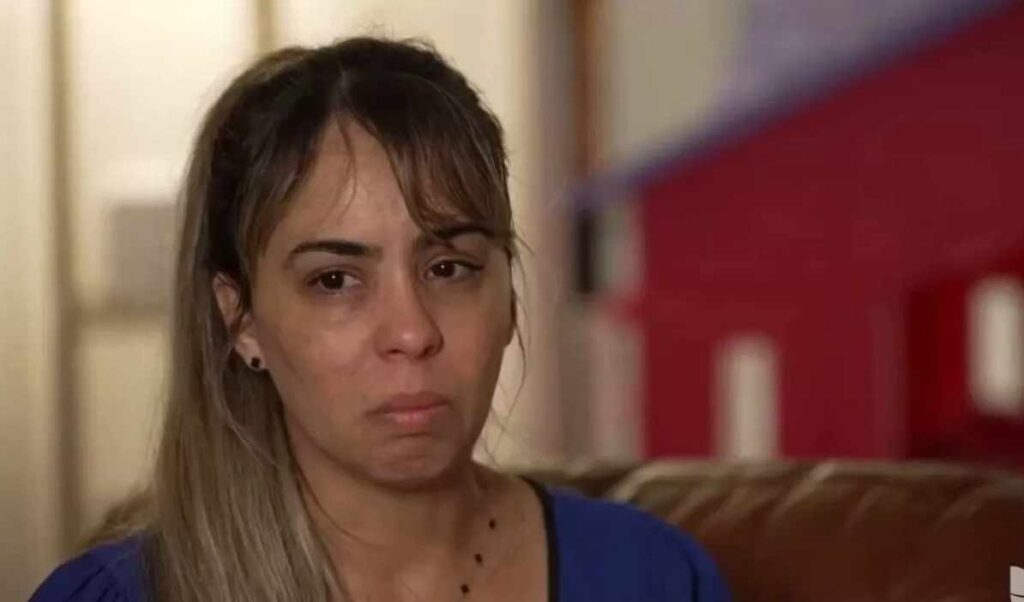
A Cuban family in North Miami has been left fractured after the deportation of 28-year-old father Alían Méndez Aguilar, who was sent back to Cuba on April 24, separating him from his wife and young child.
Méndez Aguilar is married to a Cuban-American and is the father of a three-year-old daughter. He was also a key caregiver for his wife’s older son, who has severe disabilities and requires daily support. His wife, who backed Donald Trump during the election, now says she feels abandoned by the administration’s hardline immigration policies and worries she cannot manage the household and caregiving responsibilities alone.
“I thought they would only deport criminals,” Liyian Páez told Univision, stressing that her husband has no criminal record and was detained during what she believed was a routine immigration check-in.
“We are good people,” she said in an interview with journalist Javier Díaz. Páez described a home turned upside down, with their young daughter crying frequently and asking about her father whenever she sees other families together.

After the deportation, Páez traveled with her daughter to Cuba for a short visit so the child could see her father. She described an emotional reunion that underscored the cost of the separation.
“She kept saying, ‘daddy, daddy,’ and was hugging him, kissing him, as if she didn’t understand what was happening, why she hadn’t seen her dad,” Páez said.
Méndez Aguilar arrived in the United States in 2019 and became entangled in a prolonged immigration process. In 2020, he received a deportation order, but it was not enforced at the time because Cuba declined to accept him. After more than 90 days, he was released under supervision, went on to start a family, and remained law-abiding while building a stable life in North Miami.
Despite his clean record and ongoing family-based claim, Méndez Aguilar was later detained during a standard immigration interview and removed from the country. Immigration attorneys say similar cases highlight the growing risks for families navigating complex immigration law, even when they are in compliance with prior supervision requirements.
Now back in Cuba, Méndez faces an uncertain future as he explores legal options to return to the United States, a process that could take years and involve multiple waivers under U.S. immigration law. Páez says she has begun contacting senators and members of Congress, hoping that intervention or legal relief might reunite their family.
His case mirrors the experience of many Cuban migrants whose asylum claims have been denied under increasingly strict enforcement standards, leaving families split across borders with limited legal recourse.
The situation unfolds as President Donald Trump recently announced a plan offering $1,000 to undocumented immigrants who voluntarily return to their home countries through the CBP Home application. The Department of Homeland Security has described the initiative as “historic,” framing it as a cost-saving measure tied to immigration compliance.
Trump said that if those who choose self-deportation “are good,” his administration would look to “provide them with a path to return,” provided they follow the required process and timelines. According to NPR estimates from 2022, roughly 11 million people are currently living in the U.S. without legal status.
For families like the Méndez Aguilars, immigration policy debates translate into immediate legal, financial, and emotional consequences, raising fresh questions about family unity, due process, and the true cost of enforcement-driven immigration reform.



I don’t know what she’s complaining about. Trump is doing what he said he’d do and she voted for him anyway. She got what she voted for. She just didn’t think her vote would have dire consequences for her own family. She messed around and found out. I feel bad for the kids but not for the parents.
“we are good people” LOL
Self deportation time, sweetie. You’d ask for nothing less from a Venezuelan.
pendeja
LOOOOOOOOOOOOOOOOOOOOL
oh well. I don’t believe in karma, but you got it lol you can explain your support for orange shitbag
No one deserves this horrible thing happening to them. Families should stay together. That being said, her only problem is that it directly involved her. If it would only happen to other people, she wouldn’t have cared.