
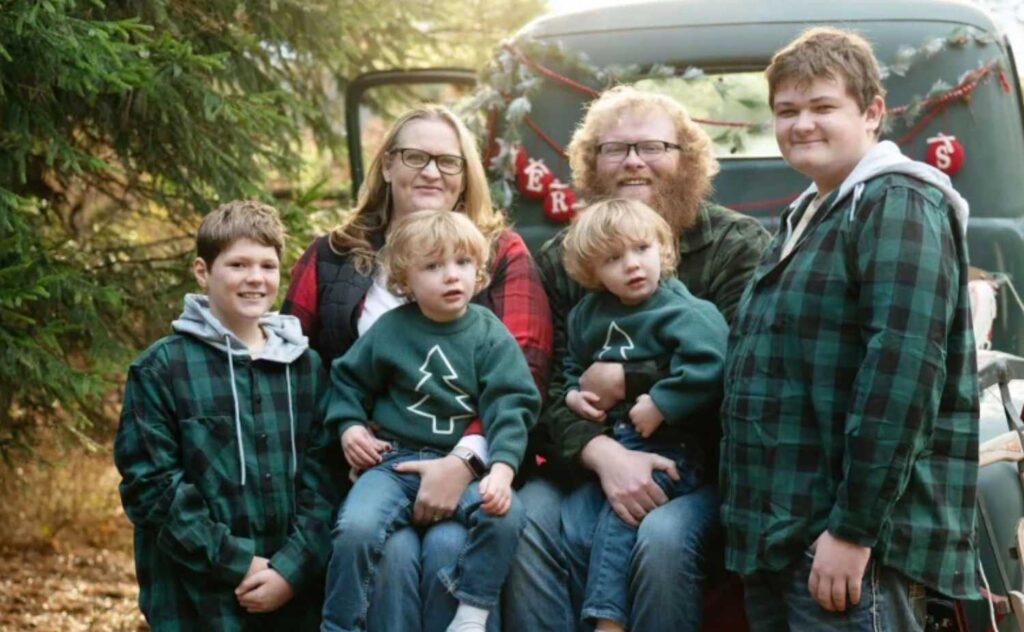
After Donald Trump won the presidency again, Rebecca Carlson was counting on this being the year things turned around for her 1,300-acre farm in northern Michigan.
“I was expecting to see a drastic turnaround for the better for my farm because the Republicans have always been for the American farmer,” said Carlson, a longtime Republican and Trump supporter.
Instead, her farm has been caught in widespread government funding freezes, jeopardizing her ability to hire the workers she needs for this season’s harvest. It could leave her $200,000 in debt if she’s unable to access the grant money awarded to her farm.
“I’ll admit to you, I bleed Republican. However, this has left a sour taste in my mouth,” Carlson said. “During Trump’s first administration, a lot of farmers — not all, but a lot of farmers — saw the positive side to his tariffs and to his agricultural dealings. Now, we’re not seeing that. Now, we’re seeing the actual opposite.”
Trump’s proposed tariffs could drive up the price of grain and fertilizers while lowering demand overseas for U.S. agriculture products. Immigration crackdowns could cripple farm workforces, where an estimated 40% of workers lack the proper documentation to work in the U.S. Meanwhile, spending cuts and freezes have directly affected federally funded programs that provide loans and grants to farmers.
Trump acknowledged his support from farmers and talked about how his policies would benefit them by reducing imports of food from abroad, which could increase demand for some U.S.-grown products. “Our new trade policy will also be great for the American farmer — I love the farmer,” Trump said during his address to Congress this month. He added that farmers will “probably have to bear with me again” as they did during his first term.
Agriculture Secretary Brooke Rollins said the department was looking into programs to help “mitigate any economic catastrophes that could happen to some of our farmers.” Asked whether that would include direct payments, Rollins said, “We’re working that out right now.”
Carlson had been awarded a USDA grant worth $400,000 to hire 10 temporary workers from Guatemala through the H-2A visa program. The grant would cover housing, visa fees, and airfare, allowing her to harvest cherries before spoilage and spend more time with her four children.
“The American worker doesn’t like labor, they don’t like to do laborious jobs,” Carlson said. “They don’t want to do the hard labor, and that’s what’s frustrating, because we would love to hire U.S. workers, but we can’t get them to show up. We can’t get them to follow through. We can’t get them to finish the season.”
Carlson has already spent $200,000 preparing for the workers’ arrival, but the USDA hasn’t confirmed reimbursement. “We have had no direction from our grant project managers,” she said. “We’ve asked them, are we supposed to continue meeting our milestones and continue meeting our goals? Or do we stop and wait? All we get back with a response is an automated message.”
“We’re at that point where if we don’t get this funding, there could be issues of bankruptcy,” Carlson said. “The American farmer is failing right now because you’re freezing funding meant to help the American farmer.”


A $400,000 “GRANT” from the USDA? The word “Socialism” should be off limits to this lady. WTF?