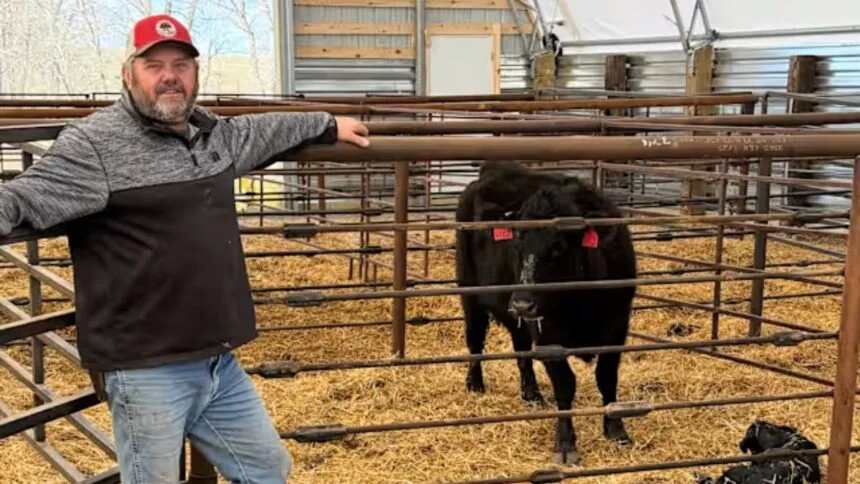
Gary Vetter was just 10 when he began feeding cattle on his family’s farm. More than five decades later, after weather disasters, shifting consumer habits and global trade shocks, the Westside, Iowa, producer is now facing a new threat from the man he voted for: Donald Trump.
As voters fumed over rising living costs, Trump said this fall that beef prices were too high and ranchers needed to bring them down. Beef was “higher than we want it, but it’s going to be coming down soon,” Trump said. Like eggs during the Biden years, beef has become a symbol of the affordability crunch, hitting record levels earlier this year after drought shrank the U.S. cattle herd while demand stayed strong.
Trump’s remarks rattled ranchers who overwhelmingly backed him. His administration then moved to expand low-tariff beef imports from Argentina, launched a probe into meatpackers over alleged price manipulation, and lifted duties on Brazilian beef. Those moves knocked cattle prices lower without bringing meaningful relief at the grocery store.
“It would have been nice if Trump hadn’t said anything,” Vetter said. “I’m still a Trump supporter. I’m just not a happy Trump supporter.”
Reuters spoke with eight ranchers who said they still back Trump even as his policies hurt cattle prices. Feeder cattle futures plunged by the exchange’s daily limit and dropped 21% in just over a month after peaking on October 16, the day Trump first said his administration was working to lower beef prices. The sell-off slashed profits, stalled livestock buying and scared off traders.
“It’s affected the price that we as ranchers are getting; it’s affected what feedlots are getting; but it hasn’t done anything that I’ve seen or heard about yet to impact what the consumers are paying,” said Marty Smith, 66, whose family has ranched in Wacahoota, Florida, for 175 years.
Cattle futures have recovered slightly since late November but remain well below where they were before Trump’s comments. Economists said it could take months for retail prices to reflect the slump and even then the impact would be muted because meatpackers, wholesalers and retailers add their own costs. At the same time, crop prices have fallen due to Trump’s trade policies, even as cattle had been one of the few profitable areas for farmers. Trump this month rolled out a $12 billion aid package aimed mainly at crop growers.
Cattle prices had hit record highs throughout 2025 after drought reduced grazing land and shrank the herd to its smallest size in decades, allowing Brazil to overtake the U.S. as the world’s biggest beef producer. Supplies tightened further after Trump blocked Mexican livestock imports to stop a flesh-eating parasite. With processors squeezed, Tyson Foods said in November it would permanently close a major U.S. beef plant, and the USDA lowered its price outlook through 2026.
Trump has accused companies like Tyson of manipulating beef prices and ordered a Justice Department probe, even as meatpackers say their industry is already tightly regulated. Meanwhile, shoppers keep paying more: ground beef hit $6.54 per pound in November, up 16% from a year earlier, while stew meat jumped 23% to $9.17. Inflation overall rose at its fastest pace in nearly a year and a half in September, fueling political backlash that Democrats have been exploiting in recent elections.
“The Trump administration is taking a whole-of-government approach to lowering beef prices, with multiple agencies slashing regulations, supporting small processing facilities, and taking other actions to support both ranchers and consumers,” White House spokesperson Anna Kelly said.
Ranchers argue beef has been unfairly targeted. “It’s a sock in the gut for all of us,” said Dean Meyer, 62, of Rock Rapids, Iowa. Even loyal Trump voters say his meddling in cattle markets has shaken their confidence. “He’s waged war against a group of producers that literally have no real effect on the price of beef in the store,” said Todd Hertzog of Hertzog Meat Company in Missouri.
Vetter said he paid about $2,500 per head for 450 young steers in late October, only to see prices fall about $300 by the end of November while meatpackers also cut what they were willing to pay for finished cattle. He said the drop left him facing possible losses of $250,000.
“The president can do whatever he wants but it’s going to be hard to build the cow herd if we don’t have some stability,” Vetter said. “I’m going to push a pencil really hard before I buy that next set of calves.”


Stopped reading once I saw “still a Trump supporter”.