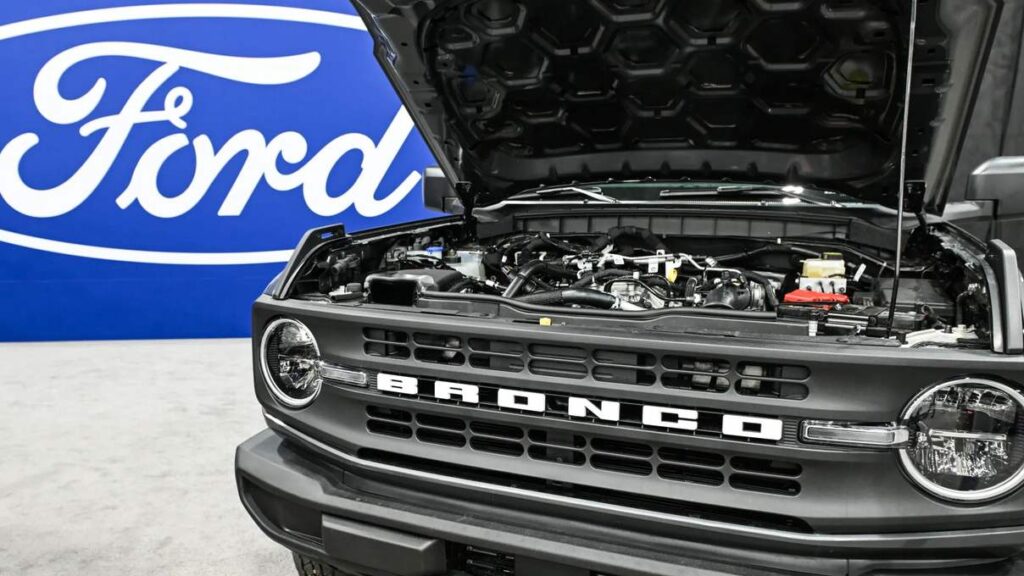
Just four months after production began, Ford has halted operations at a major manufacturing facility, leaving approximately 1,600 workers without jobs.
The electric vehicle battery plant in Glendale, Kentucky, was created through a joint venture between Ford Motor Company and South Korean battery manufacturer SK On.
The $5.8 billion BlueOval SK facility, spanning roughly 1,500 acres, officially opened in the summer of 2025 and was expected to strengthen Ford’s position in the rapidly evolving electric vehicle market. Instead, the site has been idled only months after launching production.
In December, Ford and SK On dissolved their partnership. Ford then confirmed it would idle the plant while shifting its focus from EV battery manufacturing to energy storage systems.
The company attributed the move in part to weaker-than-expected demand for electric vehicles. Ford also pointed to policy changes under President Donald Trump, specifically the rollback of federal EV tax incentives included in what he described as his Big Beautiful Bill.
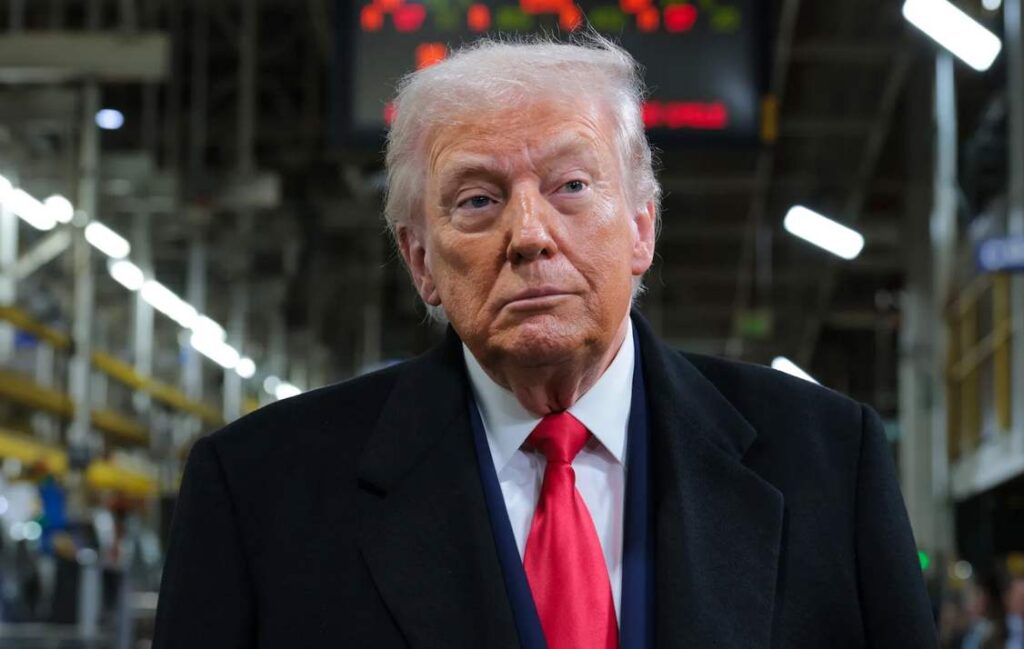
As of September 30, 2025, the administration ended the $7,500 federal tax credit for new electric vehicles and the $4,000 credit for used EVs. Ford said the elimination of those incentives disrupted long-term investment strategies tied to EV expansion.
A company spokesperson stated that the shift in federal policy “significantly disrupted its long-term strategy” and contributed to the decision to shut down the Kentucky site, according to the Daily Mail.
“BlueOval SK was originally intended to be a long-term endeavor, ‘[but] the realities of customer demand and the regulatory environment have evolved, particularly in the US.”
Kentucky’s Democratic governor, Andy Beshear, also criticized the federal policy changes.
“Those are 1,600 Kentuckians that lost their jobs solely because of Donald Trump pushing that big, ugly bill, eliminating the credits that had people interested and excited to buy EVs,” he told the New York Times.
“I bet many, if not most, of them voted for him, and he basically fired them.”
Hardin County, home to Glendale, supported Trump in the 2024 election, with the Republican receiving 64% of the vote.
However, not all affected workers are placing the blame solely on Washington. Some employees argue that Ford’s broader EV strategy contributed to the plant’s struggles, citing a slower response to market competition from industry leaders such as Tesla.
“At the end of the day, whatever the government policy would be, the company made the decision,” said factory worker Derek Dougherty, who has a three-year-old daughter and another child on the way.
Joe Morgan, a maintenance technician at the facility who earned $38 per hour, told the Mail that responsibility lies with both policymakers and the automaker.
“Taking away the tax credits did play a little bit of a role in not selling EVs,” he said.
“But honestly, I think Ford made a bad decision when they came out with an F-150 they wanted to make all electric.”
Despite the setback, Ford says it is implementing a “reset plan” aimed at reducing high-priced EV offerings and reintroducing more affordable vehicles to the market.
The BlueOval site is expected to reopen in late 2026 or early 2027 as a separate Ford subsidiary battery plant, with projections of more than 2,100 jobs once operations resume.
“BlueOval SK employees will have the opportunity to apply for jobs at the new Ford subsidiary once it begins hiring,” the company said.